PCMC has become a sports city quietly. Hinjewadi has its weekend marathon clubs. Pune has cricket academies that train 200 children every weekend. Aundh has its runners. Baner has its pickleball courts. Pimple Saudagar has its badminton centres. Add the growing gym culture, the corporate sports leagues, the inter-college tournaments - and the result is a steady stream of sports injuries that keep orthopedic clinics busy.
Dr. Swaroop Solunke's sports injury practice at Pune and PCMC treats both elite athletes and recreational players. The principles of treatment are the same - accurate diagnosis, sport-specific surgery when needed, structured rehabilitation and a clear return-to-play plan. The expectations and timelines change based on the patient's goals.
Sport-by-Sport Injury Catalogue
Cricket Injuries
- Bowler's lower back stress fractures (pars defect) - fast bowlers under 25
- Rotator cuff strain and impingement in fast bowlers
- Tennis elbow in batsmen and seam bowlers
- Hamstring strains while running between wickets
- Shoulder dislocations from diving and falls
- Hand and finger fractures from ball impact
- Knee ligament injuries from sudden direction changes
Football Injuries
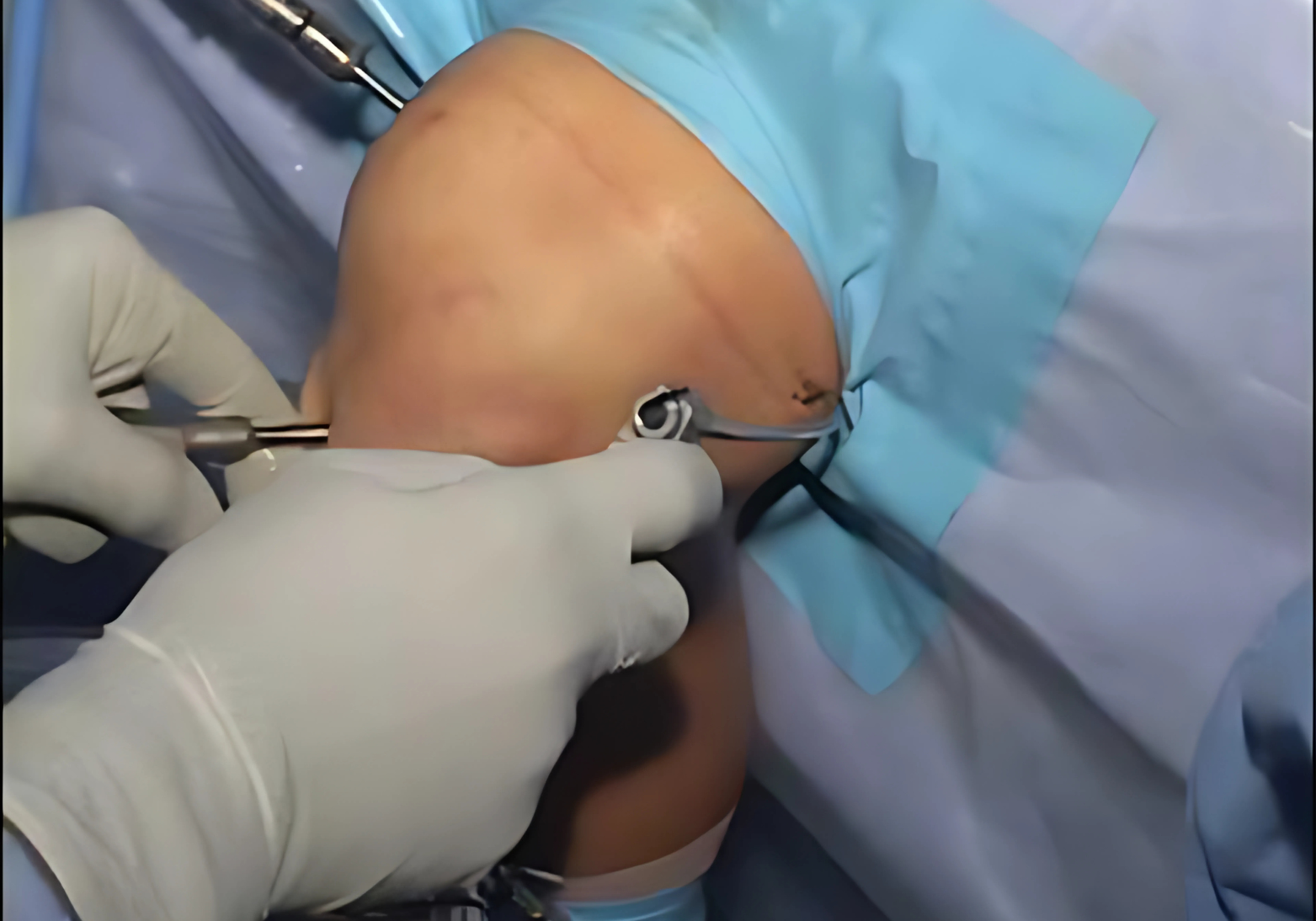
- ACL tears (most common surgical injury in football)
- Meniscus tears
- Ankle sprains and ankle ligament tears
- Hamstring strains and groin injuries
- Stress fractures of the foot
Badminton and Tennis Injuries
- Tennis elbow and golfer's elbow
- Rotator cuff impingement in overhead smashers
- SLAP tears in serving athletes
- Patellar tendinopathy (jumper's knee)
- Ankle sprains from sudden lateral movements
- Achilles tendinopathy
Running Injuries
- Iliotibial band syndrome (outer knee)
- Runner's knee (patellofemoral pain)
- Plantar fasciitis
- Achilles tendinopathy
- Shin splints and tibial stress fractures
- Hamstring strains
Kabaddi and Wrestling Injuries
- ACL and PCL ligament tears
- Shoulder dislocations
- Wrist and finger injuries
- Cervical and lumbar spine injuries from twisting
Gym and Weight-Training Injuries
- Rotator cuff tears in heavy bench-press lifters
- Lower back strains and disc injuries from poor deadlift form
- Knee tendinopathy from heavy squatting
- Pectoralis major tears from heavy bench press
- Wrist injuries from improper form
Pickleball Injuries (Rapidly Growing across Pune and PCMC)
- Pickleball elbow (lateral epicondylitis variant)
- Ankle sprains from quick changes of direction
- Achilles tendinopathy and rupture in players above 50
- Shoulder impingement from repetitive overhead serves
Common Sports Injury Procedures
ACL Reconstruction
Replacement of the torn ACL with a graft taken from the patient's hamstring or patellar tendon. The most common sports surgery worldwide. Cost: Rs. 1.2 to 2 lakh. Return to sport: 6 to 9 months.
Meniscus Repair or Trimming
Repairing or trimming the torn meniscus through three small incisions. Cost: Rs. 70,000 to Rs. 1.4 lakh. Return to sport: 4 to 6 weeks for trimming, 4 to 6 months for repair.
Rotator Cuff Repair
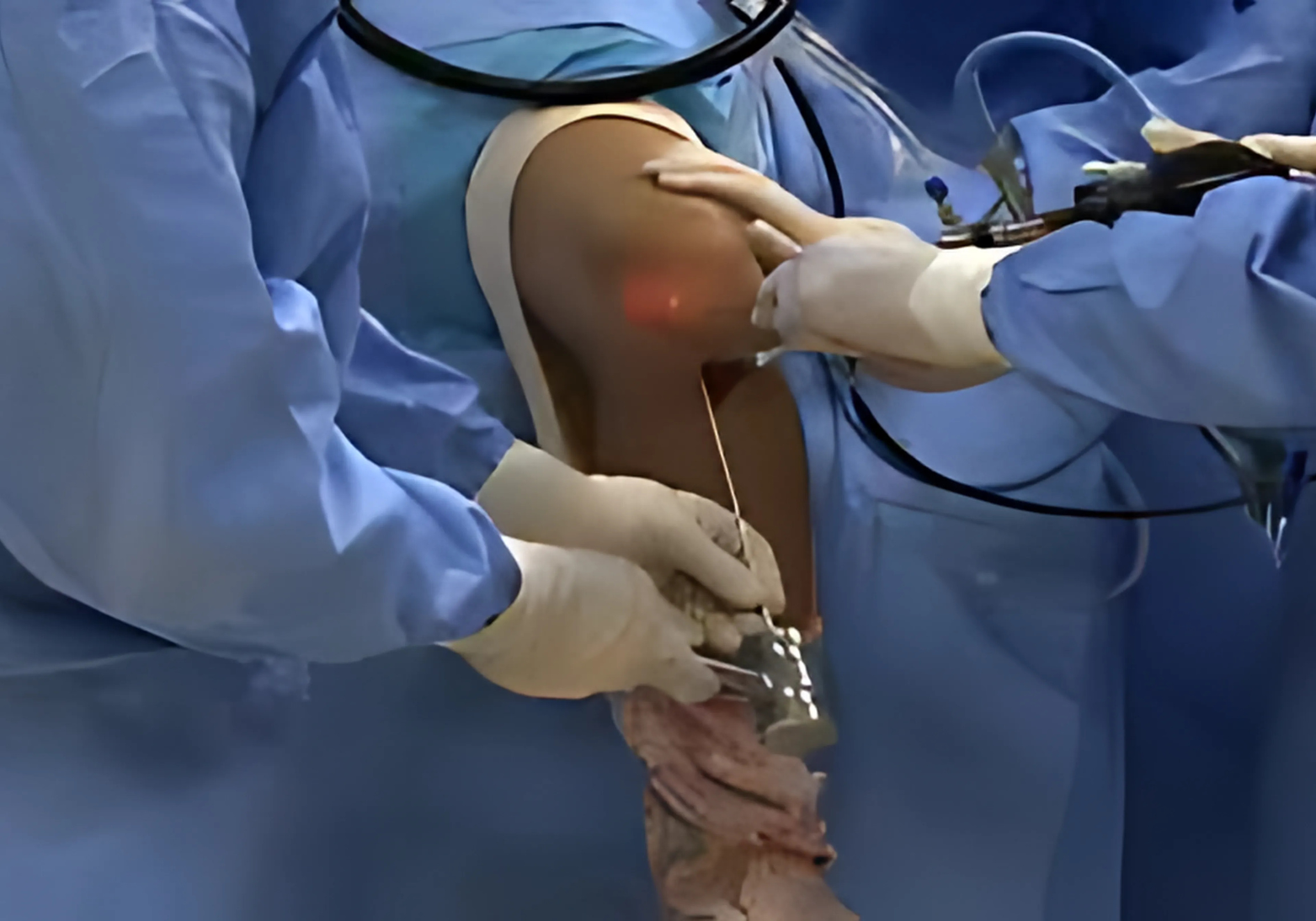
Reattaching the torn rotator cuff tendon to bone using suture anchors. Cost: Rs. 1.5 to 2.5 lakh. Return to overhead activity: 4 to 6 months.
Bankart Repair
Reattaching the torn labrum after recurrent shoulder dislocations. Cost: Rs. 1.4 to 2.2 lakh. Return to contact sport: 6 to 9 months.
Cartilage Restoration Procedures
Microfracture, OATS, MACI for full-thickness cartilage defects. Cost: Rs. 80,000 to 2.5 lakh depending on procedure. Return to sport: 6 to 12 months.
Fracture Fixation in Athletes
Plate or screw fixation of sport-related fractures. Cost varies by bone. Return to sport: depends on bone and healing.
The Sports Injury Workflow at Pune and PCMC
Step 1 - Same-Day Assessment
Most acute sports injuries are seen within 24 to 48 hours of presentation. Examination, X-ray and same-day evaluation give a working diagnosis.
Step 2 - Imaging
MRI is ordered when soft-tissue injury is suspected (ligament tear, meniscus tear, rotator cuff tear). Most MRIs are done within 1 to 3 days.
Step 3 - Decision: Conservative vs Surgical
Many sports injuries do not need surgery. Grade 1 and 2 ligament sprains, partial muscle strains and minor cartilage injuries respond to physiotherapy. Surgery is recommended for complete ligament tears in athletes, displaced fractures, recurrent dislocations and persistent mechanical symptoms.
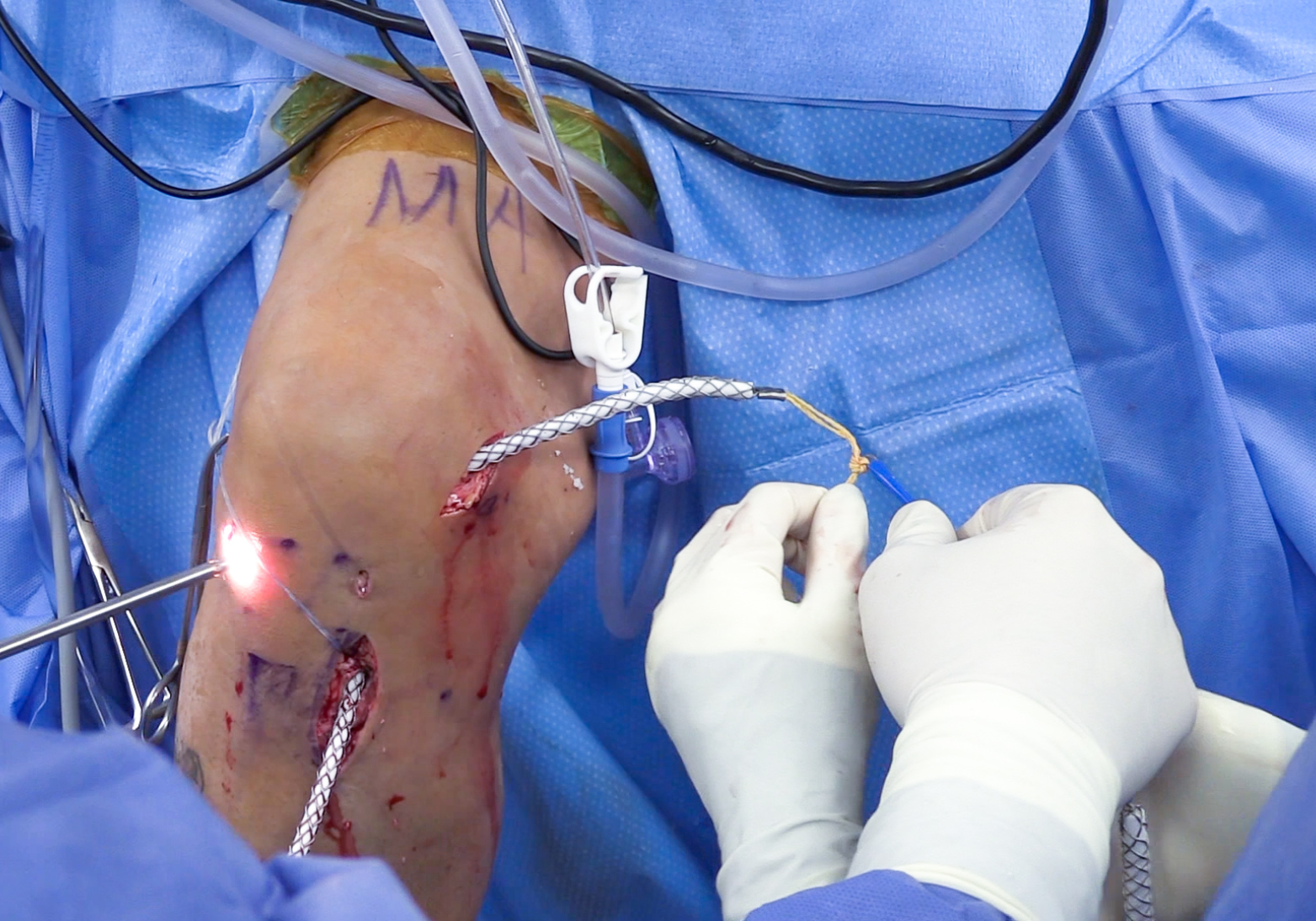
Step 4 - Surgery (When Indicated)
Most sports surgeries are scheduled within 1 to 3 weeks of presentation, after the initial swelling subsides. Acute injuries with major associated damage may need earlier surgery.
Step 5 - Structured Rehabilitation
Sport-specific rehab programmes start on day one after surgery. Phases progress through pain control, range of motion, strengthening, sport-specific drills and return-to-play testing.
Step 6 - Return-to-Play Assessment
Before returning to competitive play, athletes complete a battery of functional tests - single-leg hop tests, agility runs, isokinetic strength testing and confidence questionnaires. Athletes who pass these tests have lower re-injury rates.
Pricing Summary for Common Sports Surgeries
- ACL reconstruction: Rs. 1.2 to 2 lakh
- Meniscus repair: Rs. 90,000 to 1.4 lakh
- Meniscus trimming: Rs. 70,000 to 1.1 lakh
- Rotator cuff repair: Rs. 1.5 to 2.7 lakh
- Bankart repair: Rs. 1.4 to 2.2 lakh
- Knee or shoulder arthroscopy (general): Rs. 60,000 to 1.5 lakh
- Cartilage restoration: Rs. 80,000 to 2.5 lakh