Osteoporosis is the orthopedic disease nobody talks about until the first fracture happens. A 60-year-old woman trips on a step in her Wakad apartment, breaks her wrist and only then learns that her bones have been thinning for 15 years. By that point, the next fracture is more likely. The hip is often the next bone to break - and a hip fracture in an elderly woman is a serious life event.
The fix is straightforward but it has to start before the first fracture. Dr. Swaroop's Ortho and Polyclinic in Wakad runs a structured osteoporosis screening and treatment programme for patients across PCMC.
What Is Osteoporosis?
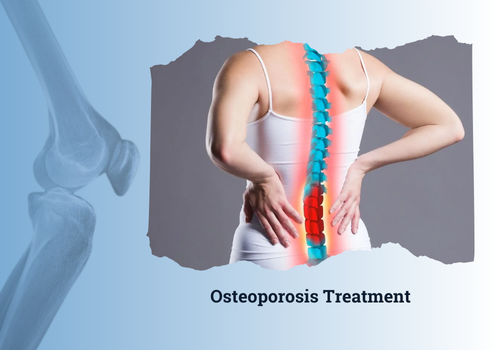
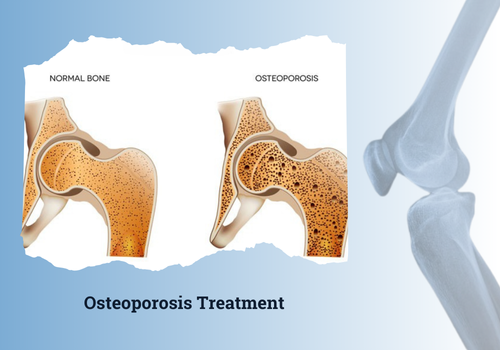
Osteoporosis is the gradual loss of bone density. Healthy bone is dense and strong. Osteoporotic bone is porous and brittle. The condition develops silently - there is no pain, no swelling, no warning sign - until a bone breaks under load that healthy bone would have absorbed.
Two phases describe bone health. Bone mass increases steadily until the late 20s. From 30 onwards, bone is gradually lost. After menopause, the rate of loss accelerates sharply in women due to the drop in oestrogen. Men also lose bone after 65, but more slowly.
Who Should Get Screened?
A DEXA scan (bone density test) is recommended for the following groups.
- All women aged 65 and above
- Postmenopausal women below 65 with risk factors (low body weight, smoking, family history, prior fracture, prolonged steroid use)
- Men aged 70 and above
- Anyone above 50 who has had a low-trauma fracture (fracture from a fall from standing height)
- Patients on long-term steroids or thyroid medication
- Patients with rheumatoid arthritis, hyperthyroidism, or chronic kidney disease
- Vegetarians with low calcium and vitamin D intake (a large part of the Maharashtra population)
How Osteoporosis Is Diagnosed
DEXA Scan (Bone Mineral Density Test)
The gold standard test. Measures bone density at the hip and spine using a low-dose X-ray. The result is given as a T-score.
- T-score above -1: Normal bone density
- T-score between -1 and -2.5: Osteopenia (low bone density, not yet osteoporosis)
- T-score below -2.5: Osteoporosis
- T-score below -2.5 with a fracture: Severe osteoporosis
DEXA scans cost approximately Rs. 1,500 to Rs. 3,000 in Pune. We refer patients to vetted diagnostic centres in Pune and PCMC.
Vitamin D and Calcium Blood Tests
Most osteoporosis cases in Indian patients have underlying vitamin D deficiency. Standard tests include serum calcium, vitamin D (25-hydroxy), parathyroid hormone and phosphorus.
Other Investigations
In specific cases, thyroid tests, kidney function, urine calcium and tests for myeloma may be ordered.
Treatment Plan for Osteoporosis
Step 1 - Calcium and Vitamin D Supplementation
Daily intake of 1,000 to 1,200 mg of calcium and 800 to 1,000 IU of vitamin D is the foundation of all osteoporosis treatment. Most Indian patients are deficient in both.
Step 2 - Lifestyle Modifications
Daily intake of 1,000 to 1,200 mg of calcium and 800 to 1,000 IU of vitamin D is the foundation of all osteoporosis treatment. Most Indian patients are deficient in both.
- Weight-bearing exercise: walking 30 minutes a day, climbing stairs
- Resistance training: light weights or bands twice a week
- Adequate sun exposure: 15 to 20 minutes of direct sun on arms and face, 3 to 4 times a week
- Stop smoking: smoking accelerates bone loss
- Limit alcohol intake to no more than 1 drink per day
- Reduce caffeine: more than 4 cups of coffee per day worsens calcium loss
Step 3 - Medication
When DEXA T-score is below -2.5 or when osteopenia is present with a fracture, medication is added.
- Bisphosphonates (alendronate, risedronate, zoledronic acid): the most common first-line drugs
- Denosumab: a six-monthly injection for patients who cannot tolerate bisphosphonates
- Teriparatide: an injection that stimulates new bone formation, reserved for severe cases
- Hormone replacement therapy: prescribed cautiously in selected post-menopausal women
Step 4 - Fall Prevention
In elderly patients, preventing falls matters as much as treating the bones themselves. Home assessment checks for loose rugs, poor bathroom lighting, slippery floors, missing handrails on stairs and inappropriate footwear. Vision and balance assessments are added when indicated.
Indian Vegetarian Sources of Calcium
Most patients ask if they can avoid supplements by eating better. The answer depends on the diet. The following vegetarian foods are rich in calcium.
- Ragi (finger millet) - 350 mg per 100 grams
- Sesame seeds (til) - 975 mg per 100 grams
- Paneer (cottage cheese) - 480 mg per 100 grams
- Almonds - 260 mg per 100 grams
- Tofu (calcium-set) - 350 mg per 100 grams
- Curd (yogurt) - 150 mg per cup
- Milk - 240 mg per 200 ml glass
- Drumstick leaves (moringa) - 440 mg per 100 grams
- Spinach (palak) - 100 mg per 100 grams
- • Black sesame chutney, til laddoo, ragi roti - traditional Maharashtra preparations rich in calcium
Osteoporotic Fractures - Treatment
When a fracture has already happened in osteoporotic bone, treatment focuses on three things: fixing the fracture, treating the underlying osteoporosis and preventing the next fracture.
Wrist Fracture
Often heals well with cast or plate fixation. The wrist fracture is the warning sign - start osteoporosis treatment immediately.
Hip Fracture
In patients above 65, hip fracture is best treated with hip replacement surgery rather than fixation. Mortality and disability are much lower with replacement when bone quality is poor.
Spine Compression Fracture
Treated with bracing, pain relief and structured rehabilitation. In severe cases, vertebroplasty or kyphoplasty (cement injection into the vertebra) provides immediate pain relief.