Eight in ten adults will have significant back pain at some point in their lives. In PCMC, where most working professionals spend nine hours in front of a screen and 60 minutes a day on a two-wheeler dodging Mumbai-Bangalore highway traffic, that number is closer to nine in ten. The good news is that 90 percent of these patients do not need spine surgery. They need a proper diagnosis and a stage-correct treatment plan.
Dr. Swaroop's Ortho and Polyclinic in Wakad treats back and neck pain through a structured, conservative-first approach. Surgery is a last option, never a first quote.
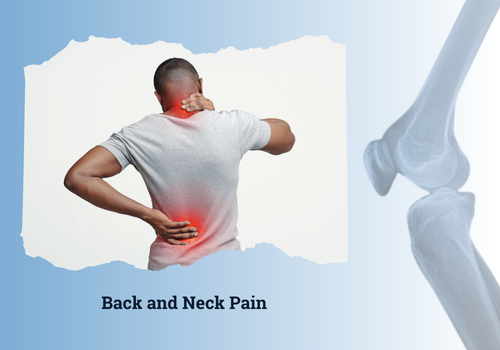
Common Causes of Back and Neck Pain in Pune
Mechanical Back Pain (Most Common)
Pain from muscles, ligaments and small joints in the spine. Triggered by poor posture, prolonged sitting, weak core muscles and sudden lifting injuries. Almost universal in IT professionals.
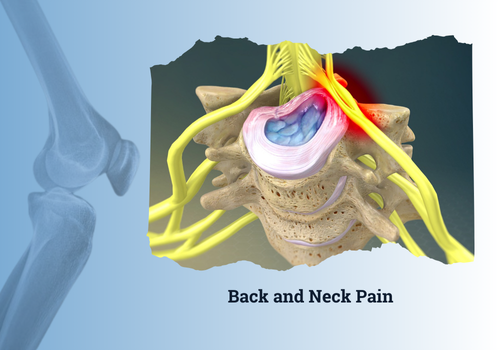
Slipped (Herniated) Disc
The cushion between two vertebrae bulges or ruptures and pinches a nerve. Causes pain that travels from back into leg (sciatica) or from neck into arm (cervical radiculopathy).
Cervical Spondylosis
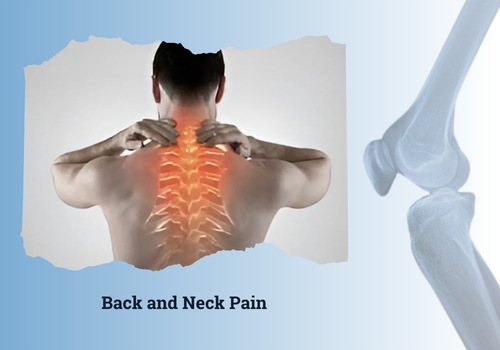
Age-related wear in the neck spine. Common in patients above 40, especially those with long screen-time exposure. Causes neck stiffness, headaches and sometimes arm pain or tingling.
Lumbar Spondylosis and Spinal Stenosis
Wear-and-tear arthritis of the lower spine. Spinal stenosis is narrowing of the spinal canal, common above age 60. Causes back pain and leg pain that worsens with walking.
Sciatica
Pain along the sciatic nerve from the lower back down through the buttock and leg, sometimes to the foot. Usually caused by a slipped disc or bone spur pressing on the nerve.
Spondylolisthesis
One vertebra slips forward over the one below it. Causes back pain and sometimes leg pain.
Osteoporotic Compression Fracture
Common in post-menopausal women. A weakened vertebra collapses, often without significant trauma. Causes sudden severe back pain.
Spinal Infections and Tumours
Less common but important to rule out, especially when pain is constant, present at night, or accompanied by fever and weight loss.
Red Flags - When Back Pain Is an Emergency
Most back pain is mechanical and not dangerous. The following symptoms need urgent medical attention.
- Loss of bladder or bowel control
- Numbness in the saddle area (groin, inner thighs, buttocks)
- Progressive weakness in legs
- Fever, chills or unexplained weight loss with back pain
- Severe back pain after a fall or road accident
- Pain that wakes you from sleep every night and does not improve in any position
How Back and Neck Pain Is Diagnosed
Clinical Examination
Posture, range of motion, neurological tests for muscle power, reflexes and sensation.
X-Ray
First-line imaging. Shows alignment, fractures, severe arthritis and instability.
MRI Scan
Required for slipped disc, nerve compression, suspected infection or tumour. Most spine MRIs in PCMC cost between Rs. 5,500 and Rs. 8,000.
CT Scan
Used when bony detail is needed - fractures, post-surgical assessment, or complex deformity.
Nerve Conduction Studies
To map exactly which nerve is affected when symptoms are unclear.
Treatment Ladder for Back and Neck Pain
Step 1 - Physiotherapy and Posture Correction
The single most important step. A trained physiotherapist evaluates your posture, your workstation, your sleeping position and your walking pattern. Targeted exercises strengthen the core and the deep neck flexors. Ergonomic changes (screen height, chair angle, keyboard position) prevent recurrence. Most mechanical back and neck pain resolves at this stage.
Step 2 - Medication
Short courses of paracetamol, NSAIDs, muscle relaxants or nerve-pain medication when needed. We avoid long-term painkillers because they treat symptoms without fixing causes.
Step 3 - Image-Guided Injections
Epidural steroid injections, nerve root blocks and facet joint injections delivered under fluoroscopy. These can break severe pain cycles and let physiotherapy work more effectively.
Step 4 - Minimally Invasive Spine Surgery
When conservative treatment has failed for 6 to 12 weeks and imaging shows clear surgical pathology, minimally invasive techniques like microdiscectomy, endoscopic discectomy or laminectomy can resolve symptoms with small incisions and short hospital stays.
Step 5 - Open Spine Surgery
Reserved for severe instability, deformity, large tumours, or revision cases. Includes fusion, instrumentation and decompression.
Linked Treatment Pages
- Spine Surgery in Pune
- Endoscopic Spine Surgery
- Osteoporosis Treatment