Most patients in Pune walk into a spine consultation expecting bad news. They have heard stories about back surgery from a relative or a neighbour. They have read the alarmist forwards. They are bracing for an operation. The first thing Dr. Swaroop Solunke usually tells them is the most important fact about spine care: of every 100 patients with back or neck pain, fewer than 10 will ever need surgery.
Spine surgery in 2026 is precise, minimally invasive and effective when used correctly. The discussion at the Wakad clinic is not about whether spine surgery is good or bad. It is about whether this particular patient, with this particular condition, has reached the point where surgery is the right next step. Most have not. The minority who have deserve clear honest information.
Conservative Treatment Comes First
Every patient with back or neck pain at our Wakad clinic goes through a structured conservative treatment plan before surgery is even discussed. This typically includes:
- Physiotherapy with a focus on core strengthening and posture correction (4 to 8 weeks)
- Short courses of pain medication and muscle relaxants
- Ergonomic assessment for desk-job IT professionals from Hinjewadi, Aundh and Wakad
- Image-guided injections (epidural steroid, nerve root block, facet joint block) when indicated
- Activity modification and graduated return to function
Most patients improve significantly within 6 to 12 weeks. Surgery is considered only when this conservative treatment has been adequately tried and failed.
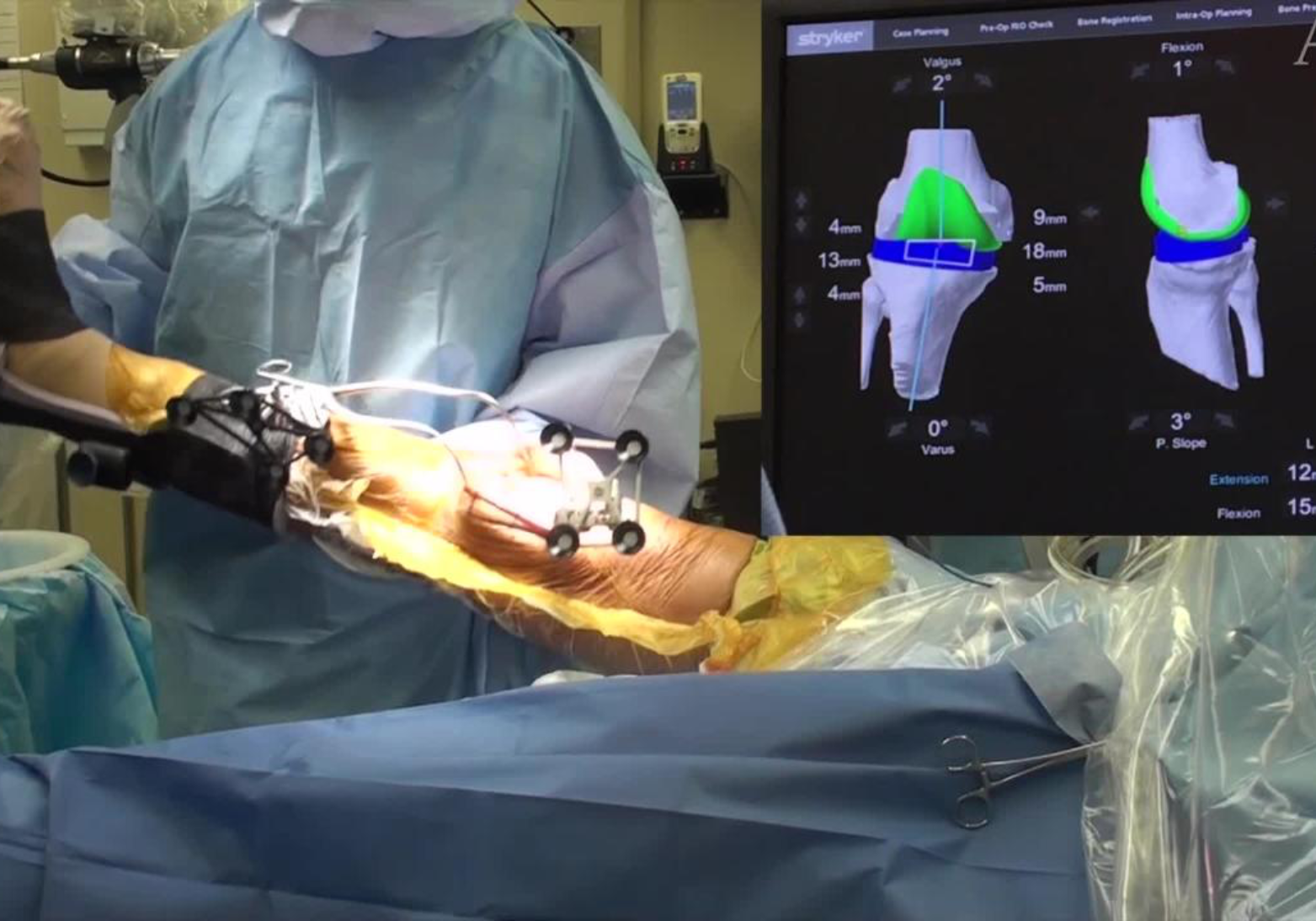
When Spine Surgery Is the Right Answer
Absolute Indications (Surgery Is Urgent)
- Cauda equina syndrome - loss of bladder or bowel control with leg weakness and numbness
- Progressive neurological weakness - power in legs or arms reducing over days or weeks
- Spine infections that have failed antibiotics
- Spinal tumours requiring surgical management
- Major trauma with unstable fractures
Strong Indications (Surgery Strongly Recommended)
- Severe sciatica with persistent leg pain that has not responded to 6 to 12 weeks of conservative treatment
- Cervical radiculopathy with significant arm pain or weakness
- Spinal stenosis with severe walking limitation
- Spondylolisthesis with progressive instability or neurological symptoms
Relative Indications (Surgery Is One Option)
- Recurrent back pain that limits work and life despite years of conservative treatment
- Chronic disc disease with significant lifestyle impact
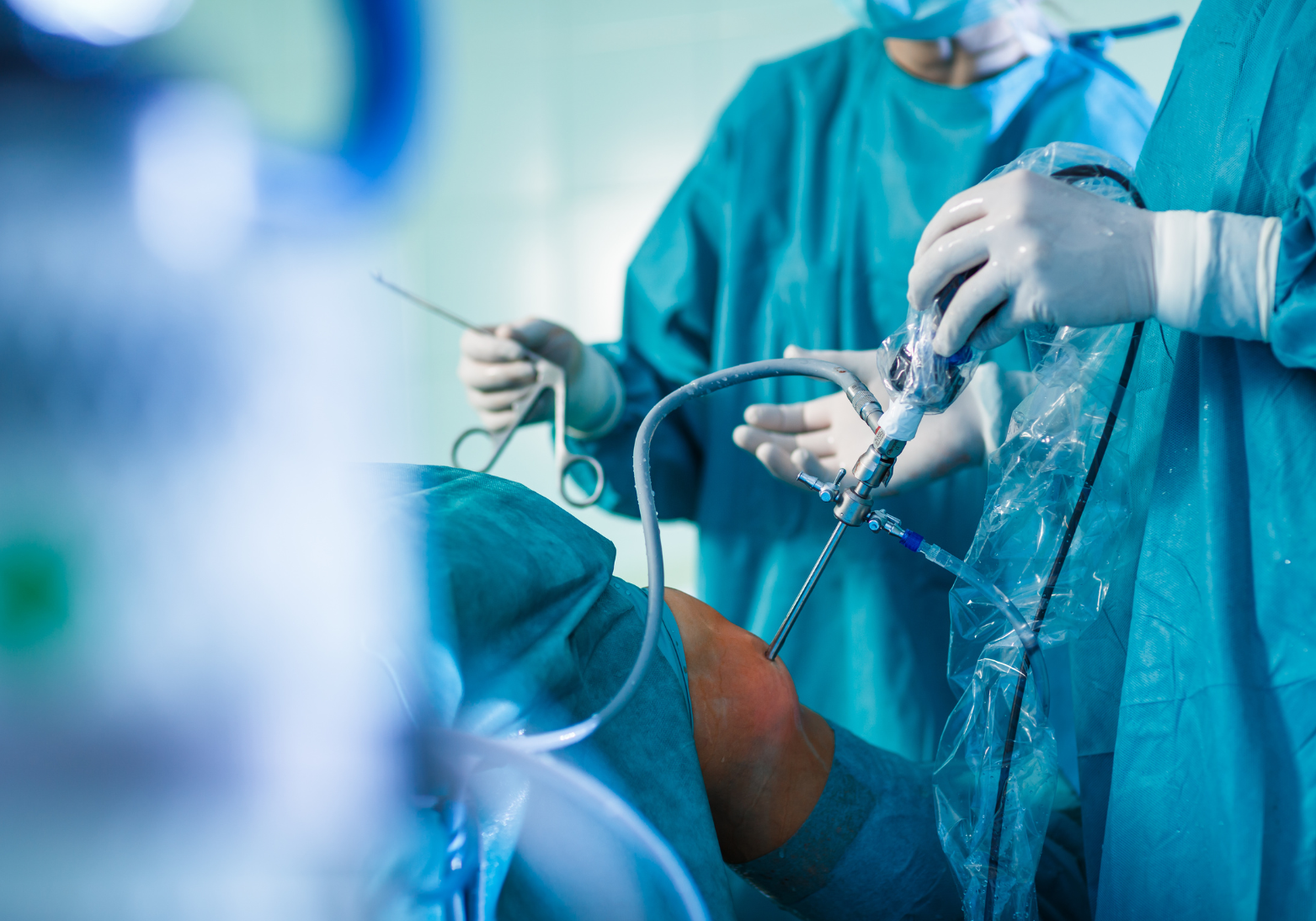
Common Spine Surgeries
Microdiscectomy
Removal of a herniated disc fragment that is pressing on a nerve root. Done through a 2 to 3 centimetre incision under microscope or endoscope guidance. The disc itself is preserved. Indicated for severe sciatica or cervical radiculopathy that has not responded to conservative treatment. Hospital stay: 1 to 2 days. Return to desk work: 2 to 4 weeks. Cost: Rs. 1.5 to 2.5 lakh.
Laminectomy
Removal of a portion of the bony arch (lamina) that is pressing on the spinal cord or nerves. Used for spinal stenosis with severe symptoms. Hospital stay: 2 to 4 days. Return to desk work: 4 to 6 weeks. Cost: Rs. 2 to 3.5 lakh.
Spinal Fusion
Two or more vertebrae are joined together using bone graft, screws and rods. Used for spondylolisthesis, severe instability and certain types of spinal deformity. Hospital stay: 4 to 7 days. Return to desk work: 6 to 12 weeks. Cost: Rs. 3 to 6 lakh depending on number of levels.
Vertebroplasty / Kyphoplasty
Cement injection into a collapsed vertebra to provide pain relief and structural support. Used for osteoporotic compression fractures with severe pain. Done under fluoroscopy through a small needle. Same-day or next-day discharge. Cost: Rs. 1 to 1.8 lakh.
Cervical Discectomy and Fusion (ACDF)
Removal of a herniated cervical disc and fusion of the adjacent vertebrae. Used for cervical disc disease causing arm pain or weakness. Hospital stay: 2 to 3 days. Cost: Rs. 2.5 to 4.5 lakh.
Cervical Disc Replacement
Replacement of a damaged cervical disc with an artificial disc that preserves motion. Indicated for selected patients with single-level cervical disc disease. Cost: Rs. 3.5 to 5.5 lakh.
Endoscopic Spine Surgery
Keyhole spine surgery through an 8 mm tube under direct visualization. The most minimally invasive technique available for selected disc and stenosis cases. Discussed in detail on the Endoscopic Spine Surgery page. Cost: Rs. 2 to 4 lakh.
Minimally Invasive Spine Surgery - What It Means
Modern spine surgery uses techniques that minimize tissue damage. Smaller incisions, muscle-sparing approaches, microscope and endoscope guidance and tubular retractors that work between muscle fibres rather than cutting through them.
Benefits of Minimally Invasive Approaches
- Smaller skin incisions (1 to 4 centimetres versus 8 to 15 centimetres in traditional surgery)
- Less blood loss
- Less post-operative pain
- Shorter hospital stays
- Faster return to work and normal activities
- Equivalent or better long-term outcomes for selected procedures
.png)
Not every spine procedure can be done minimally invasively. Complex cases involving deformity correction, multi-level fusions or revision surgery may still need open techniques. Dr. Solunke matches the technique to the patient and the pathology.
How to Prepare for Spine Surgery
- Stop smoking 6 to 8 weeks before surgery - smoking dramatically reduces fusion success rates
- Optimize blood sugar if diabetic
- Reach a healthier weight if overweight (fewer complications, easier recovery)
- Begin pre-operative physiotherapy if mobility allows
- Arrange for someone to help at home for the first 1 to 4 weeks
- Plan workspace ergonomics for the post-recovery return
Recovery After Spine Surgery
Day 1 to 3
Walking begins within hours of surgery for most procedures. Pain control with multimodal medication. Discharge is typically on day 1 to 4 depending on the procedure.
Week 1 to 2
Walking at home, gradual increase in activity. No heavy lifting (above 2 to 5 kg). No prolonged sitting. Stitches removed at day 10 to 14.
Week 2 to 6
Structured physiotherapy starts. Progressive return to normal activities. Most desk-job patients return to work in this window.
Week 6 to 12
Strengthening exercises, return to gym basics, full return to most activities. Restrictions on heavy lifting may continue for 3 to 6 months for fusion procedures.
Month 3 to 6
Full functional recovery for most patients. Fusion patients continue to heal radiographically up to 12 months.