ACL injuries follow a distinct pattern in PCMC. The patient is usually 18 to 35 years old. They were playing cricket, football, badminton or kabaddi. They twisted their knee, heard a pop, felt the knee shift and were unable to walk. Within 24 hours, the knee was swollen. An MRI confirmed an ACL tear. The next decision is whether to operate, what graft to use and which surgeon to trust.
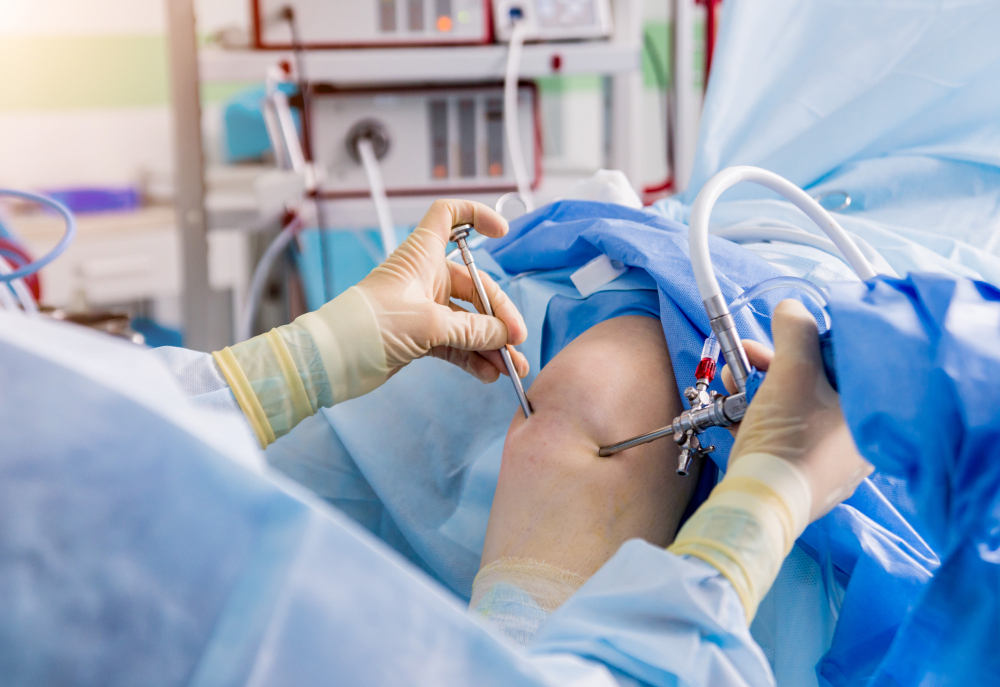
Dr. Swaroop Solunke runs a high-volume ACL reconstruction practice at his Wakad clinic and partner hospitals in PCMC. The procedure is done arthroscopically through three small incisions. Most patients are home the next morning.
What Is the ACL and Why Does It Matter?
The anterior cruciate ligament, or ACL, is one of four major ligaments that stabilize the knee. It runs diagonally inside the knee joint and prevents the tibia (shin bone) from sliding forward on the femur (thigh bone). It also resists rotation of the knee.
When the ACL tears, the knee becomes unstable for activities that involve cutting, pivoting and sudden direction changes. Walking in a straight line is usually fine. Sport is not. Many patients describe their knee 'giving way' on uneven ground months after the injury.
Untreated ACL injury in active patients leads to recurrent instability episodes, meniscus damage and early arthritis. Surgical reconstruction restores stability and protects the rest of the knee from progressive damage.
How Is the ACL Torn?
Sports Mechanisms
- Cricket - sliding into a crease, twisting on the bowler's run-up
- Football - non-contact pivoting, contact tackles
- Badminton and tennis - sudden change of direction
- Kabaddi - twisting falls
- Skiing and snowboarding - twisting falls (less common in PCMC)
Non-Sports Mechanisms
- Two-wheeler accidents on Pune roads
- Falls from height
- Slipping on stairs or wet floors
- Step-off injuries from buses or trucks
How Is ACL Tear Diagnosed?
Clinical Examination
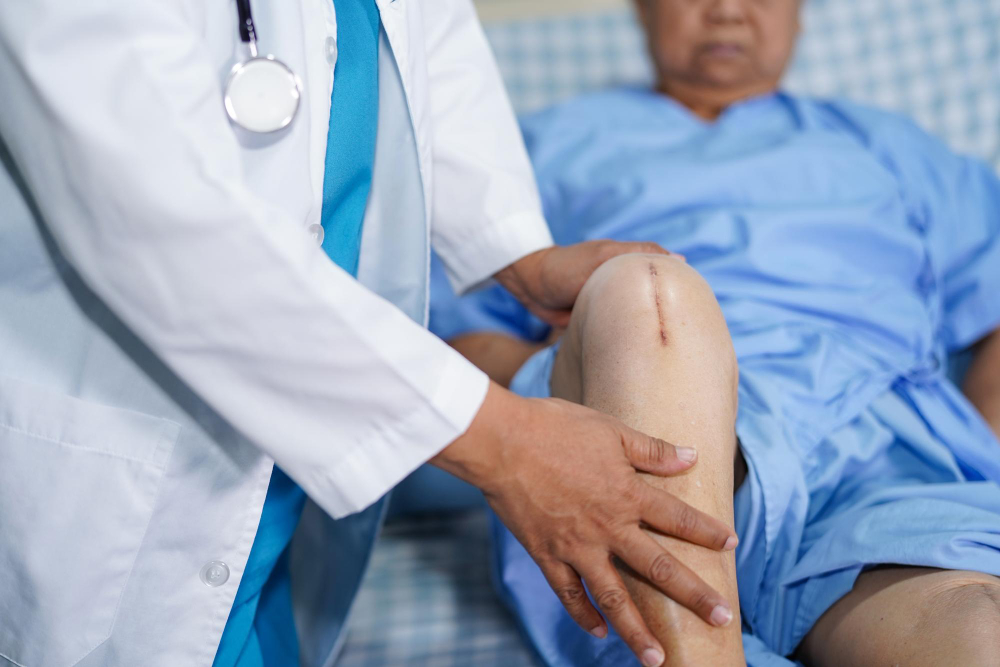
Lachman test, anterior drawer test, pivot shift test. Performed within minutes of arrival in the consultation room. A trained surgeon can confirm ACL injury with over 90 percent accuracy on examination alone.
MRI Scan
Confirms the diagnosis and identifies associated injuries - meniscus tears, cartilage damage, other ligament injuries. MRI cost in PCMC is Rs. 5,500 to Rs. 8,000.
X-Ray
Rules out fractures and confirms bony alignment.
ACL Reconstruction Surgery - Graft Choices
Hamstring Tendon Graft (Most Common in India)
Two of the four hamstring tendons (semitendinosus and gracilis) are harvested through a small incision and folded into a four-strand graft. The hamstring eventually regrows partially. This is the most common ACL graft in India and is suitable for most patients.
- Strengths: smaller scar, less front-of-knee pain, suitable for kneelers
- Considerations: slightly slower early healing, possible mild hamstring weakness
- Re-tear rate at 5 years: 5 to 8 percent in standard hamstring autograft
Bone-Patellar Tendon-Bone (BTB) Graft
A strip of patellar tendon with bone blocks at each end is used as the graft. Considered the gold standard for return to high-level pivot sports.
- Strengths: strong biomechanical fixation, reliable for elite athletes
- Considerations: front-of-knee pain in some patients, kneeling may be uncomfortable
- Re-tear rate at 5 years: 4 to 6 percent in elite athletes
Quadriceps Tendon Graft
A strip of the quadriceps tendon is used. Increasingly popular as a third option, particularly for revision ACL surgery.
Allograft (Donor Tissue)
Tissue from a deceased donor. Used selectively for revision surgery and multiple-ligament reconstruction. Higher re-tear rates in young athletes - usually avoided in primary surgery for athletes under 30.
Sport-Specific Graft Recommendations
- Recreational sports, gym, casual cricket, badminton: Hamstring graft is excellent
- Competitive cricket, football, kabaddi: Hamstring graft suitable for most; BTB for elite players
- Combat sports, professional pivot sports: BTB graft preferred
- Patients who kneel professionally (priests, mechanics, technicians): Hamstring graft preferred over BTB
- Revision ACL surgery: Quadriceps tendon or BTB
How the Surgery Is Performed
Under regional anesthesia or general anesthesia. Three small incisions of 5 to 8 mm each at the front of the knee. The arthroscope (camera) goes through one portal; instruments through the others.
- Step 1: Diagnostic arthroscopy - the surgeon inspects the knee, treats associated meniscus or cartilage damage.
- Step 2: Graft harvest - depending on graft choice, the hamstring tendons or the patellar tendon strip is harvested through a 3 to 4 centimetre incision.
- Step 3: Tunnel preparation - bone tunnels are drilled in the femur and tibia at precise positions.
- Step 4: Graft fixation - the graft is passed through the tunnels and fixed at both ends with interference screws or suspensory devices.
- Step 5: Closure - incisions are closed with one or two stitches each. A bandage and sometimes a brace is applied.
Total surgery time: 60 to 90 minutes.
Pricing for ACL Reconstruction in Pune
- ACL reconstruction (basic): Rs. 1.2 to 1.5 lakh
- ACL reconstruction with meniscus repair: Rs. 1.4 to 1.8 lakh
- ACL reconstruction with cartilage procedure: Rs. 1.6 to 2 lakh
- Multi-ligament reconstruction (ACL + PCL + collaterals): Rs. 2.5 to 4 lakh
- Revision ACL reconstruction: Rs. 1.8 to 2.5 lakh
Hospital stay 1 to 2 days. Most insurance plans accept ACL surgery on cashless basis.
Recovery and Return to Sport
Week 1 to 2
Pain control, swelling reduction, knee bending to 90 degrees, quadriceps activation. Walking with crutches, partial weight-bearing.
Week 3 to 6
Full knee flexion, full weight-bearing, gait retraining, single-leg balance.
Week 6 to 12
Strengthening, jogging on a treadmill, plyometric basics.
Month 3 to 5
Sport-specific drills, agility training. Return to non-contact sport at 4 to 5 months in well-progressed patients.
Month 6 to 9
Return to contact and pivoting sports with formal clearance. Functional testing battery confirms readiness.