Shoulder problems split neatly into two patient groups in PCMC. The young one - typically a 20 to 30 year old who dislocated his shoulder playing cricket, kabaddi or in a two-wheeler accident and has now dislocated it three more times. The middle-aged one - typically a 45 to 65 year old whose rotator cuff has worn down from years of overhead use, gym work, or simple aging. Both need shoulder arthroscopy. The procedures are different. The recoveries are different. The expectations are different.
Dr. Swaroop Solunke handles both kinds of shoulder cases at his Wakad clinic and partner hospitals. Shoulder arthroscopy is done as day-care or 24-hour stay surgery. Three small incisions, a high-definition camera, precise instruments and the patient walks out the same evening with a sling.
What Is Shoulder Arthroscopy?
Shoulder arthroscopy is keyhole surgery of the shoulder joint using a thin camera (the arthroscope) and small instruments inserted through 5 to 8 millimetre incisions. The camera projects a magnified image of the inside of the shoulder onto a high-definition monitor. The surgeon works with millimetre precision, repairing torn tissue, removing damaged tissue, or reattaching ligaments to bone.
Compared to traditional open shoulder surgery, arthroscopy produces smaller scars, less soft-tissue trauma, less blood loss and faster recovery. Most shoulder arthroscopies are done as day-care surgery.
Conditions Treated With Shoulder Arthroscopy
Recurrent Shoulder Dislocation (Bankart Lesion)
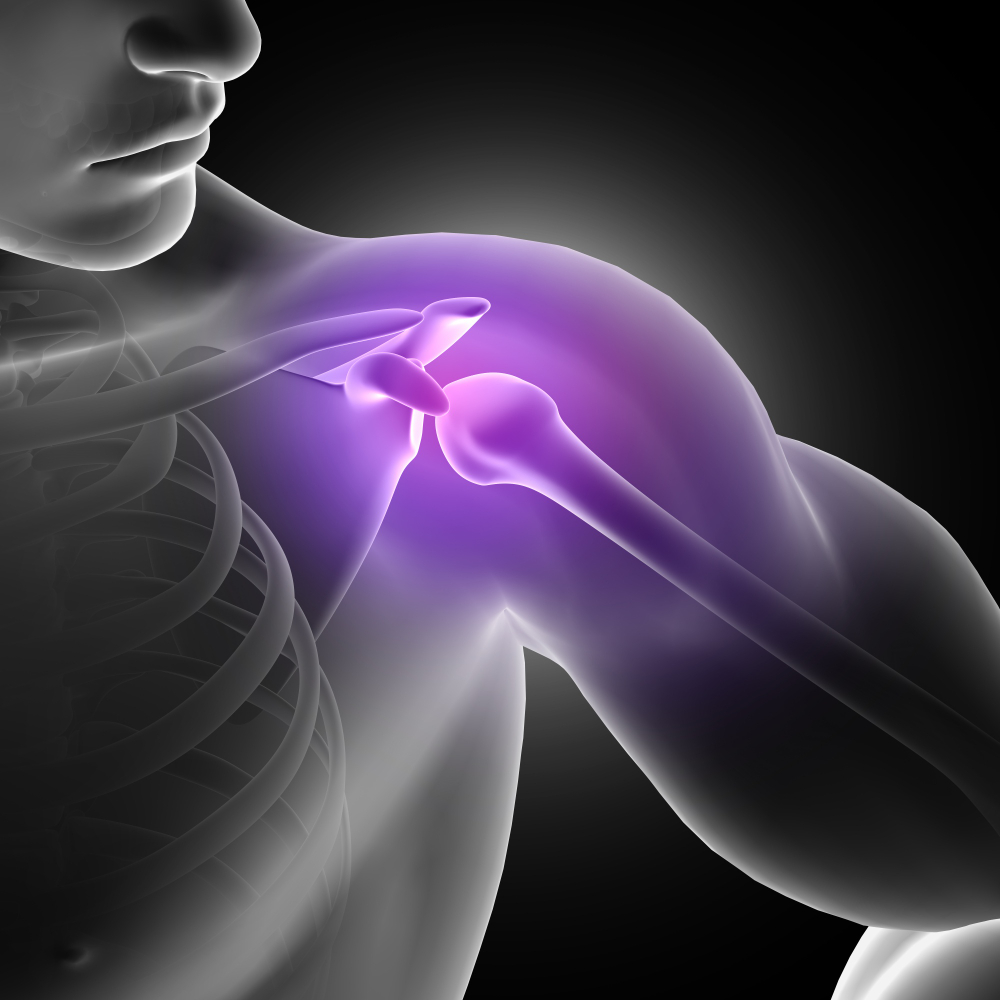
After a first shoulder dislocation, the labrum (a fibrocartilage ring around the shoulder socket) often tears off the bone - this is called a Bankart lesion. Without repair, the shoulder dislocates again with minor force. Bankart repair reattaches the labrum to bone using small suture anchors.
Rotator Cuff Tear
The rotator cuff is a group of four tendons that stabilize and move the shoulder. Tears cause weakness, night pain and difficulty lifting the arm overhead. Arthroscopic rotator cuff repair reattaches the torn tendon to the bone using anchors.
SLAP Tear
A tear of the labrum at the top of the shoulder socket where the biceps tendon attaches. Common in throwing athletes (cricketers, javelin throwers) and in patients with biceps tendon problems. Treated with debridement, repair or biceps tenodesis depending on the type and severity.
Subacromial Impingement
Bone spurs at the top of the shoulder pinch the rotator cuff during arm elevation. Causes a sharp pain when reaching overhead. Arthroscopic acromioplasty removes the bone spur.
Frozen Shoulder Refractory to Conservative Care
When physiotherapy and injections do not relieve a frozen shoulder, arthroscopic capsular release cuts the tight joint capsule and restores range of motion.
AC (Acromioclavicular) Joint Problems
AC joint arthritis or AC joint dislocation can be addressed arthroscopically through small incisions.
Loose Bodies and Cartilage Damage
Free-floating fragments inside the shoulder are removed. Damaged cartilage can be smoothed or treated with restorative procedures.
Bankart Repair - The Recurrent Dislocation Solution
Why the First Dislocation Matters
When the shoulder dislocates the first time, the labrum tears off the bony rim of the socket in roughly 90 percent of cases. The labrum is what holds the shoulder in place during arm movement. Once it is torn, the shoulder is mechanically unstable.
In patients under 25 years old, the recurrence rate after a first dislocation without surgery is 80 to 90 percent. In patients above 40, the rate is much lower (15 to 25 percent). This is why young patients with a first dislocation are increasingly offered surgery early - waiting for a second or third dislocation produces more damage and a harder repair.
How Bankart Repair Is Performed
Under regional anesthesia (interscalene block) or general anesthesia. The patient is positioned on the side. Three or four small incisions are made around the shoulder. The arthroscope goes in through one portal; instruments through the others.
The surgeon identifies the torn labrum, prepares the bone surface where the labrum will be reattached, drills small holes for suture anchors and uses 2 to 5 anchors with sutures to reattach the labrum to the bony rim. The repair is tested for stability before closing.
Total surgery time: 60 to 90 minutes. Most patients go home the same day with the arm in a sling.
Rotator Cuff Repair
Rotator cuff tears are the most common shoulder problem in middle-aged patients. They cause weakness when lifting the arm, pain at night that prevents sleeping on the affected side and difficulty reaching overhead.
Types of Rotator Cuff Tears
- Partial-thickness tear: only part of the tendon is torn
- Full-thickness tear: the tendon is completely torn through
- Massive tear: more than 5 cm in dimension or involving multiple tendons
Treatment by Tear Type
- Small partial tear with minimal symptoms: physiotherapy alone
- Symptomatic partial tear or small full-thickness tear: arthroscopic repair
- Massive tear with intact muscle: arthroscopic or open repair
- Massive irreparable tear with muscle atrophy: reverse shoulder replacement
Arthroscopic Rotator Cuff Repair
The torn tendon is identified, mobilized and reattached to its bony footprint using suture anchors. Single-row or double-row repair depending on tear size and quality. Surgery time: 60 to 90 minutes. Day-care or 24-hour stay procedure.
Pricing for Shoulder Arthroscopy in Pune
- Diagnostic shoulder arthroscopy: Rs. 70,000 to Rs. 1.1 lakh
- Bankart repair (suture anchor): Rs. 1.4 to 2.2 lakh
- Rotator cuff repair (single-row): Rs. 1.5 to 2.2 lakh
- Rotator cuff repair (double-row): Rs. 1.8 to 2.7 lakh
- SLAP repair: Rs. 1.3 to 2 lakh
- Acromioplasty (impingement): Rs. 1 to 1.4 lakh
- Capsular release for frozen shoulder: Rs. 1 to 1.5 lakh
- Combined procedures (Bankart + rotator cuff or Bankart + SLAP): Rs. 1.8 to 3 lakh
Most arthroscopies are day-care or 24-hour stay procedures. Insurance plans typically accept shoulder arthroscopy on cashless basis.
Recovery After Shoulder Arthroscopy
After Bankart Repair
Sling for 4 to 6 weeks. No active arm lifting during this period. Passive range of motion exercises start at week 1 to 2 under physiotherapy supervision. Active range of motion at week 6. Strengthening at week 12. Return to non-contact sport at month 4 to 5. Return to contact sport at month 6 to 9.
After Rotator Cuff Repair
Sling for 4 to 6 weeks. Passive range of motion only during this period. Active assisted exercises at week 6 to 8. Active range of motion at week 8 to 12. Strengthening at month 3. Return to overhead activities at month 4 to 6.
After SLAP Repair
Sling for 4 to 6 weeks. Range of motion exercises follow a protocol similar to Bankart repair. Return to throwing sport at month 6 to 9 with structured throwing programme.
After Capsular Release for Frozen Shoulder
Aggressive physiotherapy starts within 24 hours of surgery, 5 to 7 days a week initially. Most patients achieve 80 percent range within 6 to 8 weeks. Full recovery in 3 to 6 months.